
Picture this: you’re standing at a bus stop in the middle of rush hour. Instead of checking your watch every 30 seconds, your phone buzzes with a real-time update—your bus is three minutes away, rerouted to avoid congestion, and guaranteed to arrive on time. On the other side of town, a traffic light dynamically adjusts its timing to prevent bottlenecks. Meanwhile, the city’s bus fleet is undergoing predictive maintenance, ensuring fewer breakdowns and smoother rides.
This isn’t a scene from a futuristic movie—it’s the present reality of AI-powered transportation. Across the globe, governments, municipalities, and public transit authorities are turning to artificial intelligence and large language models (LLMs) to reimagine how people move from point A to point B. From predictive maintenance that keeps vehicles on the road to traffic flow optimization and personalized commuter experiences, AI is making transportation smarter, safer, and more efficient.
Predictive Maintenance: Preventing Breakdowns Before They Happen
In transportation, downtime is costly. A single bus out of service can throw an entire route into chaos, while unexpected repairs often stretch city budgets thin. Traditional maintenance schedules—fixing vehicles at set intervals—don’t account for the realities of wear and tear.
That’s where predictive maintenance comes in. Using sensor data, machine learning, and natural language processing, transit authorities can monitor everything from engine vibrations to tire pressure. LLMs help interpret this data, spotting patterns that signal when a part is about to fail. Instead of waiting for a breakdown, the system proactively schedules repairs.
The benefits are clear:
- Reduced downtime – Vehicles spend more time on the road and less in the shop.
- Lower costs – Cities save money by repairing parts before they cause larger system failures.
- Improved safety – Catching issues early prevents dangerous breakdowns mid-route.
For example, buses equipped with IoT sensors and AI-driven diagnostics can send automatic alerts to maintenance teams, with LLMs generating clear, human-readable reports. This means fewer delays for commuters and fewer headaches for transit operators.
Traffic Flow Optimization: Smarter Roads for Smarter Cities
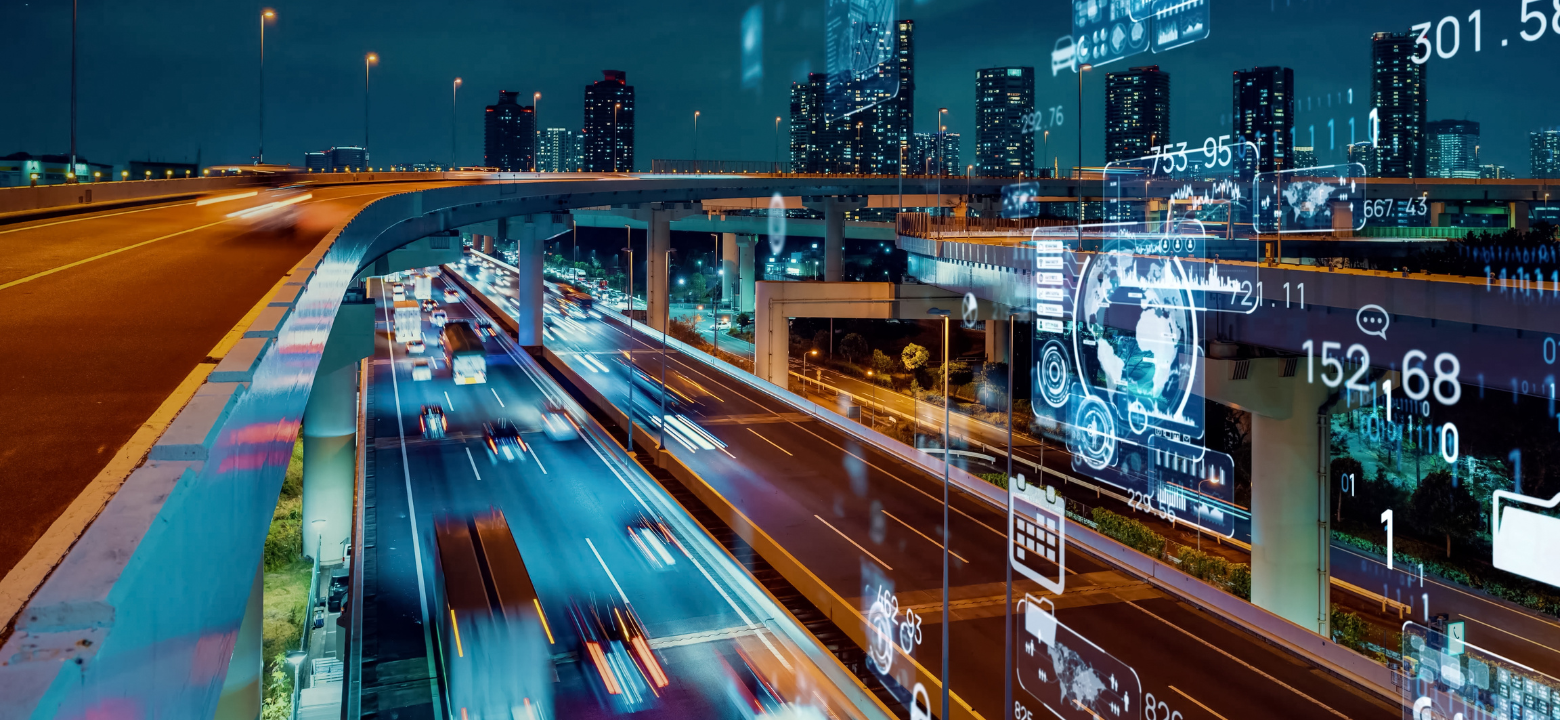
Congestion is more than just an inconvenience—it drains billions of dollars in lost productivity and fuel every year. AI and LLMs offer a path toward roads that “think” in real time.
Cities can now use AI to analyze traffic cameras, GPS data, and historical patterns. LLMs then interpret this information to optimize traffic lights, reroute vehicles, and even predict where accidents are most likely to occur. The result? Roads that adapt dynamically instead of relying on rigid, outdated systems.
Imagine:
- Adaptive traffic lights that reduce gridlock during peak hours.
- Dynamic rerouting for buses and public transit fleets to bypass congestion.
- Predictive modeling that warns city planners of bottlenecks before they happen.
For commuters, this translates to less time stuck in traffic and more reliable arrival times. For cities, it means cleaner air, reduced fuel consumption, and better use of infrastructure.
Enhancing Commuter Experiences: Personalized and Reliable Transit
While keeping vehicles running and traffic moving is critical, the commuter experience is just as important. AI-driven transit systems can improve how riders plan, navigate, and enjoy their journeys.
With the help of LLMs, public transit authorities can provide riders with natural language chatbots that answer questions like:
“When will my bus arrive?”
“What’s the fastest way to get downtown right now?”
“Is there a service delay on my train line?”
Instead of vague or outdated information, riders receive real-time, conversational updates tailored to their exact needs.
AI also helps personalize commuting. For example, riders can receive customized notifications about schedule changes, route recommendations, or even promotions for using off-peak travel times to reduce congestion. Beyond convenience, this level of service builds trust and loyalty in public transit systems.
The Road Ahead with Syngentic
As cities expand and populations grow, the demand for smarter transportation will only increase. AI and LLMs aren’t just tools—they’re catalysts for safer roads, efficient fleets, and commuter experiences that rival the convenience of private cars.
At Syngentic, we’re helping organizations and government agencies harness the full power of AI to modernize transportation. From implementing predictive maintenance systems to deploying AI-driven traffic optimization and commuter engagement platforms, we ensure that technology translates into real-world impact.
The future of transportation isn’t about more buses, more roads, or more schedules—it’s about making smarter use of what we already have. With Syngentic, your transit system doesn’t just move people—it moves smarter.
Ready to reimagine your transportation strategy with AI? Let’s build it together.
