
Government agencies operate within increasingly complex data ecosystems, managing vast repositories of information spanning citizen services, regulatory compliance, budget planning, and emergency response operations. Despite this data rich environment, many agencies find themselves constrained by legacy systems that create substantial barriers to extracting actionable insights while imposing significant operational costs.
The Databricks Lakehouse architecture presents a transformative solution that enables government organizations to modernize their data infrastructure while achieving substantial cost reductions and performance improvements. This unified platform approach has demonstrated measurable success across numerous public sector implementations worldwide.
The Economic Burden of Fragmented Data Infrastructure
Contemporary government data architectures typically consist of disparate systems operating in isolation—citizen relationship management platforms, financial databases, operational metrics repositories, and departmental applications that rarely communicate effectively. This fragmentation necessitates extensive IT resources for system maintenance, security protocol implementation, and specialized personnel management across multiple technology stacks.
The operational inefficiencies inherent in such architectures manifest in several costly ways. Cross-departmental reporting requires extensive data extraction, transformation, and loading processes that can span weeks or months. Analytical workflows suffer from significant latency as data scientists expend considerable effort on data preparation rather than strategic analysis. Furthermore, decision-makers frequently operate with outdated information due to the time-intensive nature of comprehensive report generation across multiple systems.
The Databricks Lakehouse: A Unified Architectural Approach
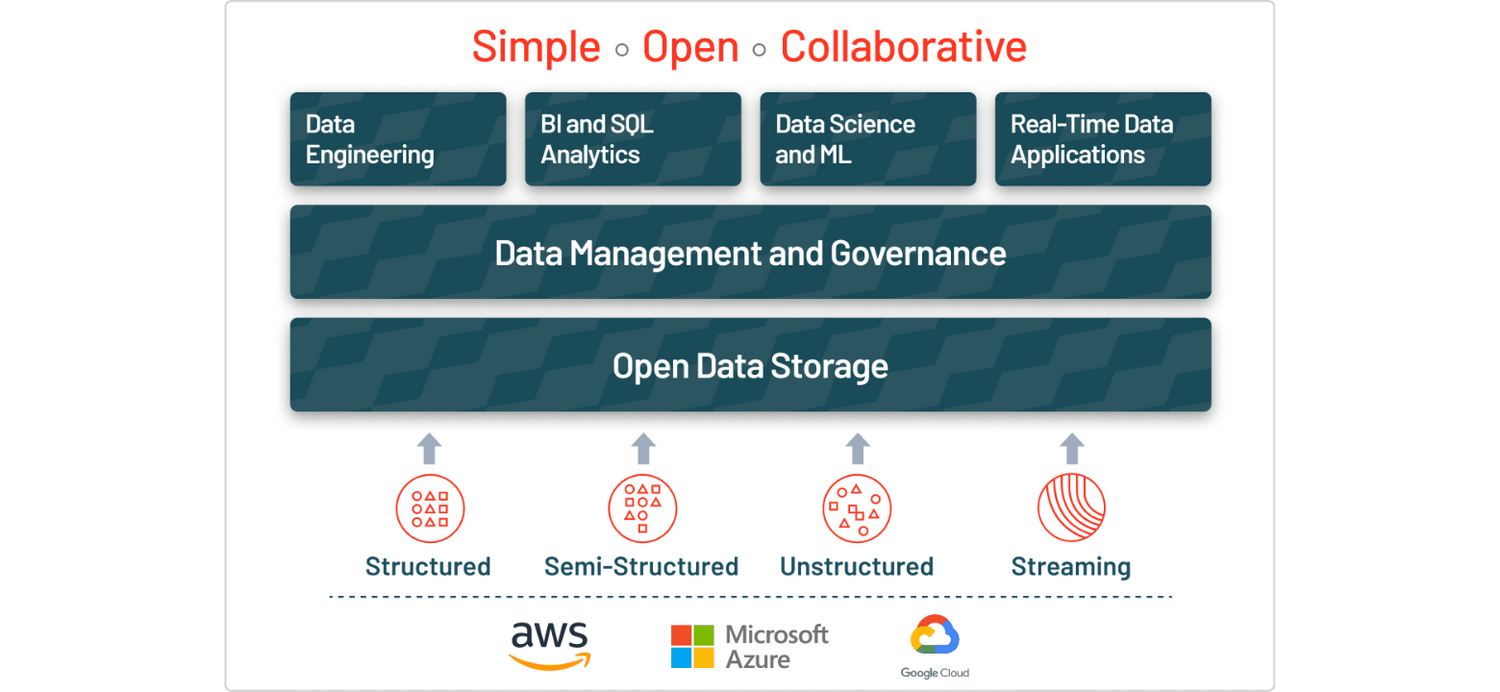
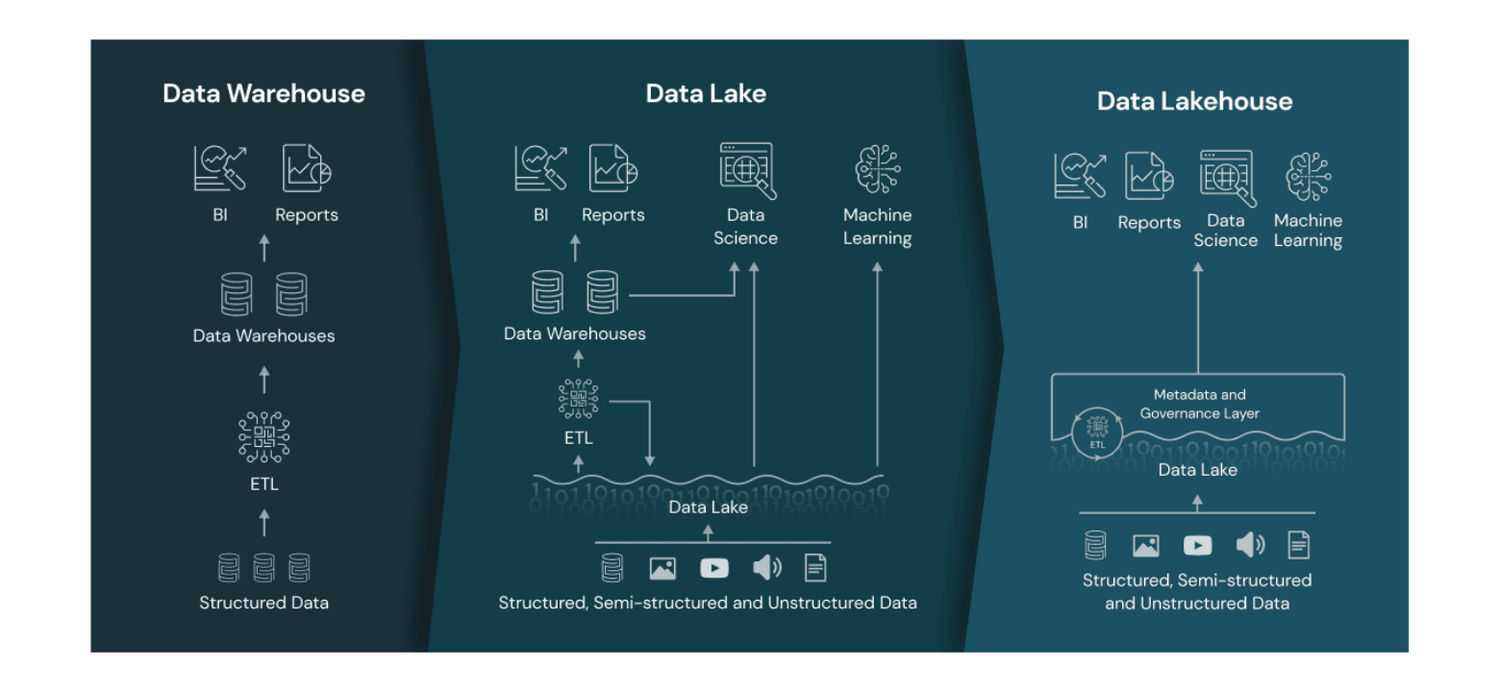
The Databricks Lakehouse architecture fundamentally reimagines data management by consolidating the analytical capabilities of traditional data warehouses with the flexibility and cost-effectiveness of modern data lakes. This unified platform eliminates the boundaries between structured and unstructured data processing, enabling organizations to manage diverse data formats within a single, cohesive environment.
Rather than maintaining separate infrastructure for different data types and analytical workloads, the Lakehouse provides native support for traditional business intelligence, advanced analytics, and machine learning applications. This architectural consolidation significantly reduces system complexity while providing integrated tools for data engineering, analytics, and collaborative development workflows.
Quantifiable Financial Benefits
Government agencies implementing the Databricks Lakehouse consistently realize cost savings across multiple operational dimensions such as: infrastructure consolidation, enhanced personnel productivity, improved decision quality, and dynamic resource scaling.
Enterprise-Grade Security and Regulatory Compliance
Government agencies maintain stringent data security and regulatory compliance requirements that the Databricks platform addresses through comprehensive security architecture designed specifically for public sector applications.
The platform implements end-to-end encryption protocols, comprehensive audit logging capabilities, and granular role-based access controls that ensure sensitive data protection while maintaining appropriate access for authorized personnel. The system supports compliance with major government regulations including FedRAMP.
Strategic Implementation Methodology
Government agencies concerned about operational disruption during infrastructure modernization benefit from Databricks’ gradual integration approach. The platform integrates with existing systems rather than requiring immediate wholesale replacement, enabling phased implementation strategies.
Organizations can initiate modernization by connecting critical data sources to the Lakehouse while maintaining operational continuity with existing systems. This measured approach allows IT teams to validate platform capabilities while minimizing operational risk during the transition period.
The platform’s compatibility with standard government data formats and integration capabilities with commonly deployed tools reduces learning curve requirements for existing personnel while facilitating smooth operational transitions.
Strategic Implementation Framework
Successful government Databricks implementations typically commence with focused use case development rather than comprehensive system overhauls. This targeted approach enables organizations to demonstrate value proposition while developing internal platform expertise.
Common initial implementations include budget analysis and reporting optimization, regulatory compliance monitoring automation, and citizen service delivery enhancement. These focused projects provide rapid value demonstration while building organizational momentum for broader platform adoption and securing funding for enterprise-scale implementations.
Strategic Value Proposition for Government Operations
The Databricks Lakehouse represents a strategic opportunity for government agencies to modernize data operations while achieving cost reduction and service delivery improvements. Documented implementations across diverse government organizations demonstrate substantial operational benefits, from enhanced decision-making velocity to improved operational efficiency metrics.
As government agencies navigate increasing service delivery expectations within constrained budgetary environments, unified data platforms like Databricks provide a proven modernization pathway. The combination of demonstrated cost savings, enhanced operational performance, and expanded analytical capabilities creates a compelling business case for infrastructure modernization.
For agencies prepared to advance beyond fragmented data architectures, the Lakehouse approach offers a validated transformation framework that delivers quantifiable results while maintaining the rigorous security and compliance standards essential for government operations.
https://www.databricks.com/glossary/data-lakehouse
https://www.databricks.com/discover/data-lakes
