
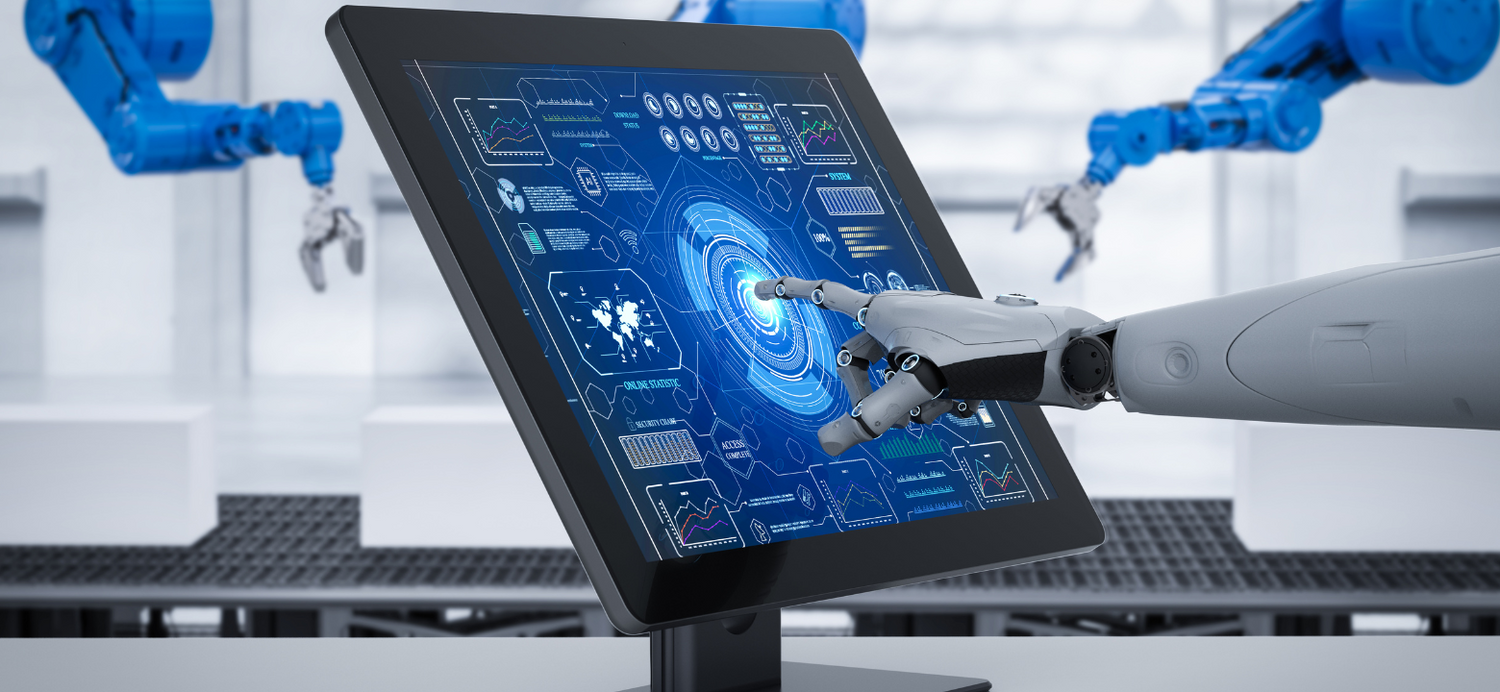
The manufacturing floor of 2025 looks nothing like it did just five years ago. Walk into a technologically modern facility and you’ll see robots working alongside humans, sensors collecting data from every piece of equipment, and screens displaying real-time insights that would have seemed like science fiction not too long ago. Here’s the thing, having all this technology doesn’t automatically translate to business value. The real value happens when you connect the dots between your data and your bottom line.
The Manufacturing Data Revolution Is Here
Today’s manufacturers are sitting on a goldmine of information. Every machine hum, every production cycle, every quality check generates data. We’re talking about everything from IoT sensors monitoring equipment health to customer feedback flowing in from connected products in the field. The question isn’t whether you have data, it’s whether you’re extracting real value from it.
The numbers tell the story. Companies that have successfully implemented smart manufacturing strategies are seeing impressive returns: 30-40% improvements in predictive maintenance outcomes, $35M+ savings in inventory carrying costs through better demand forecasting, and 50% improvements in maintenance efficiency. These aren’t just incremental gains; they’re transformational changes that reshape how manufacturers compete.
From Data Chaos to Competitive Advantage
The challenge most manufacturers face isn’t a lack of data, it’s data chaos. Information lives in silos across different systems. Your ERP talks to your CRM, but neither connects well to your production floor systems. Your quality control data sits separate from your supply chain information. It can be a headache trying to combine operational technology (OT) data from your manufacturing equipment with traditional IT business systems.
This fragmentation creates blind spots that cost real money. When your demand forecasting system can’t see real-time production capacity, you end up with inventory imbalances. When your maintenance team can’t correlate equipment performance with production schedules, you face unplanned downtime at the worst possible moments.
The manufacturers who are winning have figured out how to break down these silos. They’re creating unified data platforms that bring together information from across their operations; from the factory floor to the C-suite. This isn’t just about better dashboards (though those help too). It’s about creating a foundation where AI and machine learning can work across all your data to deliver insights that drive real business outcomes.
AI That Actually Works in the Real World
Let’s be honest – there’s a lot of AI hype out there. However, in manufacturing, we’re past the proof-of-concept phase. AI is delivering measurable value in three key areas:
Predictive Maintenance That Prevents Problems: Instead of waiting for equipment to fail or following rigid maintenance schedules, smart manufacturers use AI to predict exactly when maintenance is needed. Rolls-Royce’s platform has helped it extend the time between maintenance for some engines by up to 50% by analyzing streaming sensor data to predict maintenance needs across thousands of aircraft.
Quality Control That Catches Issues Early: Computer vision and machine learning are revolutionizing quality control. AI systems can spot defects that human inspectors might miss, and they work 24/7 without fatigue. More importantly, they can identify patterns that lead to quality issues before problems reach customers, saving millions in recalls and warranty costs.
Supply Chain Intelligence: Modern AI can process vast amounts of data from suppliers, logistics providers, market conditions, and internal operations to optimize inventory levels and predict disruptions before they happen. This kind of end-to-end visibility is what separates agile manufacturers from those constantly playing catch-up.
The Three Pillars of Manufacturing Data Success
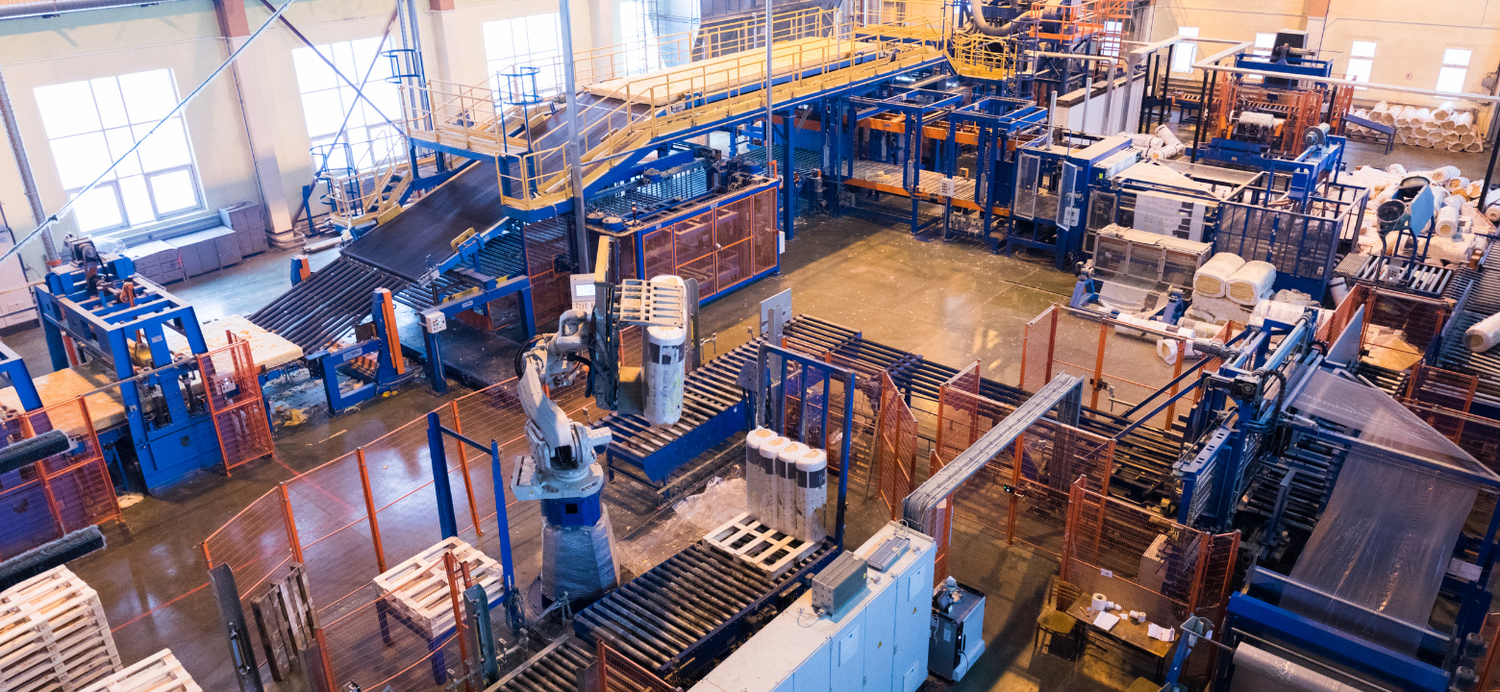
Based on our experience working with manufacturers across industries, three critical elements consistently distinguish successful data initiatives from costly, ineffective ones. First is a connected data foundation; smart manufacturing cannot thrive on fragmented systems. The most effective organizations unify their operational technology (OT) and information technology (IT) data so that production equipment, business systems, supplier data, and customer insights are integrated and interoperable. Second, real-time intelligence is essential, as manufacturing decisions must keep pace with the speed of operations. Whether adjusting production based on equipment performance or responding swiftly to supply chain disruptions, acting on data as it happens is key to staying competitive. Lastly, democratized analytics empowers employees at every level, from plant managers to supply chain teams, with access to data and tools they need to make informed decisions. Insights are only valuable when they’re accessible and actionable across the organization.
Getting Started: Your Roadmap to Smart Manufacturing
The good news is that you don’t need to transform everything overnight. The manufacturers seeing the biggest returns started with focused use cases that delivered clear business value, then expanded from there.
To build a smart manufacturing strategy that drives real business outcomes, begin by identifying pain points where data insights can provide immediate value. If unplanned downtime is a major cost, consider implementing predictive maintenance; if inventory challenges are slowing you down, focus on demand forecasting and supply chain visibility. As you scale, choose open, adaptable platforms that evolve with the rapidly changing manufacturing landscape, avoiding the need for costly rebuilds. Equally important is integration: the power of data lies in how well it’s connected across your operations, not just in how much of it you gather. And remember, the impact of smart manufacturing isn’t confined to the factory floor; the greatest value comes when data and AI are leveraged across customer experience, product development, and broader business functions.
The Future Is Now
We’re at an inflection point in manufacturing. The technologies that enable truly smart manufacturing such as AI, IoT, cloud computing, and advanced analytics are mature and have proven their value. The question isn’t whether these technologies work, but whether your organization is positioned to take advantage of them.
The manufacturers who act now, who build the data foundations and AI capabilities that turn information into competitive advantage, will be the ones setting the pace for the next decade. Those who wait will find themselves playing an increasingly expensive game of catch-up.
At Syngentic, we’ve seen firsthand how the right approach to data and AI can transform manufacturing operations. The technology is ready. The business case is clear. The only question left is: when will you start?
